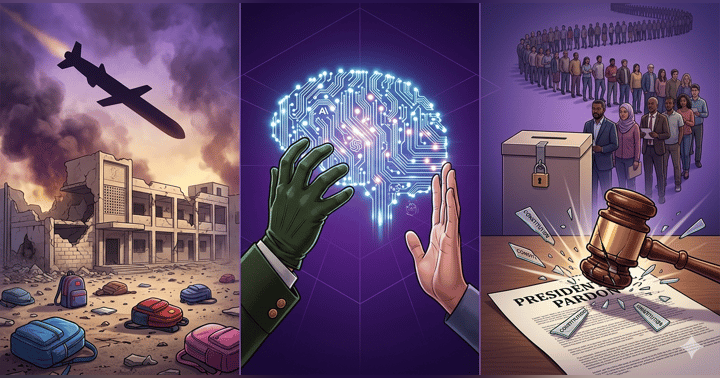
The Iran War, Insider Trading, and the Collapse of the 'No New Wars' Promise: What Professionals Need to Understand About the Current Landscape

When Joe Kent, the director of the National Counterterrorism Center, submitted his resignation, he did something unusual for a Trump appointee. He told the truth about why he was leaving.
Kent stated that Iran posed no imminent threat to the United States and that the war was initiated under pressure from Israel and its powerful American lobby. One year earlier, Kent testified before the Senate that Iran's terror proxies threatened U.S. service members. The shift is striking.
The Strategic Problem
The U.S. is now deploying 2,500 Marines to Karg Island, a facility that handles 90% of Iran's oil exports. This is being framed by some in Congress as something other than boots on the ground, but the distinction is meaningless. Securing a strategic oil facility on foreign soil with military personnel is a ground operation.
The broader strategic issue is that Iran does not need to win militarily. Closing the Strait of Hormuz, which war planners have long predicted would be Iran's first move in any conflict, creates enough global economic disruption to pressure the United States into withdrawal. Iran just needs to endure. Air campaigns without ground control do not hold territory. Military historians will recognize this as the same fundamental error the United States made in Vietnam.
The Corruption Layer
ProPublica reporting has revealed that more than a dozen senior administration officials made well-timed securities trades before major market events. Attorney General Pam Bondi sold over $1 million in Trump Media stock the day before tariff announcements crashed the market. Todd Blanche held significant crypto assets while simultaneously shutting down federal investigations into cryptocurrency companies. Individuals with access to the White House reportedly profited $500,000 on Polymarket by betting on the exact date of the Iran bombing.
For professionals in finance, compliance, and governance, this should be alarming. The regulatory environment is being shaped by people with direct financial interests in the outcomes of their own policy decisions. This is not theoretical conflict of interest. This is active self-dealing at the highest levels of government.
The Political Realignment Underway
Trump's approval stands at 41% (The Economist). Media figures who helped build the MAGA coalition, including Joe Rogan, are now publicly questioning the direction of the administration. The MAGA movement was built on "no new wars" and "drain the swamp." The current reality is a new war with no defined objective and a swamp that is deeper than anything that preceded it.
For business leaders and professionals tracking political risk, the 2026 midterms are becoming increasingly consequential. Ohio is emerging as a critical state with competitive races at every level. National conversations around insider trading reform, gerrymandering, and financial transparency in government are gaining momentum driven by the sheer scale of what has been exposed.
The Child Creator Economy Problem
A related but important development: a former child YouTuber, now 18, publicly shared her experience of being exploited by her mother through a toy review channel. The mother controlled the content, took the revenue, and provided no financial protections. Unlike child actors in Hollywood (who have at least some legal frameworks, however imperfect), child content creators on platforms like YouTube and TikTok operate in a regulatory vacuum. Given the scale of this industry (child channels are among the top 10 on YouTube globally), this is a labor and ethics issue that professionals across industries should be watching.
Key Takeaways for Professionals
The Iran conflict has no clearly defined military or diplomatic objective, creating unpredictable geopolitical risk.
Insider trading and self-dealing at the cabinet level is documented and accelerating, with implications for regulatory trust.
The 2026 midterms will likely reshape congressional power, with Ohio as a key battleground.
The child creator economy is a growing liability for platforms and a regulatory gap that will eventually close.
Listen to the full breakdown: https://podcasts.apple.com/us/podcast/is-the-us-fighting-israels-war-joe-kents-resignation/id1626987640?i=1000756133049
Radell Lewis is the host and producer of Purple Political Breakdown on the Alive Podcast Network. Political Solutions Without Political Bias.

Podcast Host
Navigating the vast amount of bouncing around the political spectrum my entire life I have finally figured something important out. It doesn't matter. I've been religious, been in the military, went to a liberal school and all in all none of the political biases matter. We shouldn't let toxic discourse cloud our judgement and find a solution through logic and conversation. In pursuit of this mission I created this podcast to focus on these important conversations.
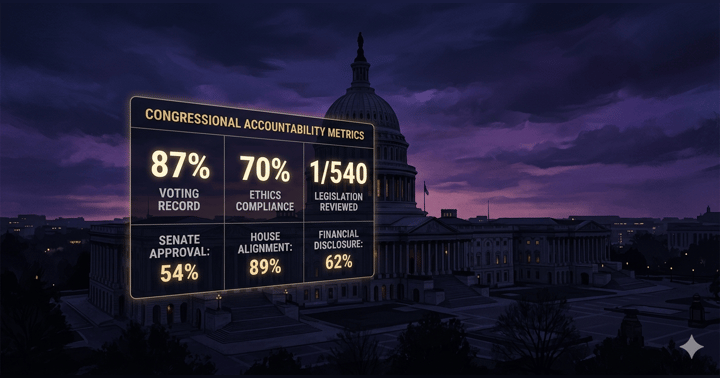
Congress Scores 0%: The Scorecard That Exposes What 540 Representatives Are Ignoring