When the Powerful Rewrite the Rules, Who Pays? Follow the Bill.
Most weeks, the news arrives as a pile of unrelated headlines. This week, they were the same story told three times.
The thread: when the people in power arrange the system around themselves, everyone else gets handed the bill.
Consider the cost of living first. The Iran ceasefire is fraying, the Strait of Hormuz blockade is holding, and the national gas average hit $4.52, up more than 50 percent since February. The proposed relief is a federal gas tax holiday worth roughly 18 cents a gallon. Set against a 50 percent increase, that math speaks for itself. And it's worth saying plainly: a credible case exists that Iran's nuclear program is non-negotiable, war hawks like Fred Fleitz make it, and it deserves a fair hearing. But critics across the spectrum, including the left's David Dayen, note the uncomfortable bottom line: thousands have died and the nuclear question has not actually moved.
Then the story I'd flag for anyone who cares about institutions regardless of party: a $1.776 billion anti-weaponization fund, created to settle a lawsuit over the President's own leaked tax records, in a deal where the Justice Department agreed not to pursue tax claims against him. Legal experts say the cited precedent, the 2011 Keepseagle settlement, does not hold. That fund had judicial oversight, a defined standard, and paid the actual plaintiffs. This one has a five-member panel the President appoints and can remove at will, an undefined standard for weaponization, and a pool of potential recipients that does not match the originating suit.
Here is the part worth sitting with. This is not a partisan observation. The conservative argument for a restrained executive, the warning about a presidency that behaves like a monarchy, was a serious argument when it was made. It is still serious now. An institution that can investigate its opponents, settle cases against itself, and direct billions through a panel it controls is a concentration of power no one should be comfortable handing to any president, of any party. If you have made that case before, this is the moment it was built for.
We also covered the Beijing summit, where verbal commitments outnumbered confirmed ones, and the 2026 midterm map, where history, redrawn districts, and turnout are all in tension.
The throughline holds: the people already holding power keep arranging the system for themselves. The work of citizenship is noticing, and refusing to look away.
Listen to the full episode: https://podcasts.apple.com/us/podcast/is-this-%241-8-billion-fund-the-most-corrupt-thing/id1626987640?i=1000769398474
Political solutions without political bias.
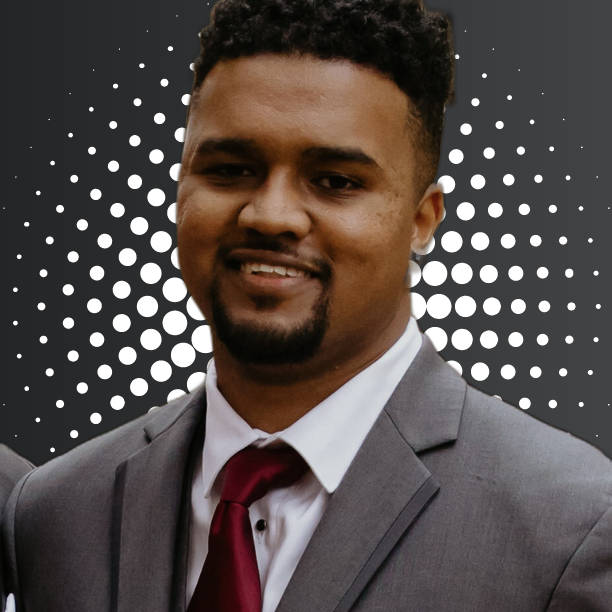
Podcast Host
Navigating the vast amount of bouncing around the political spectrum my entire life I have finally figured something important out. It doesn't matter. I've been religious, been in the military, went to a liberal school and all in all none of the political biases matter. We shouldn't let toxic discourse cloud our judgement and find a solution through logic and conversation. In pursuit of this mission I created this podcast to focus on these important conversations.


