The 1976 Case Behind the Money in Politics Debate, and One Proposed Way Out
Most conversations about money in politics start with Citizens United. In a recent episode of Purple Political Breakdown, my guest Dan McMillan, a historian and former prosecutor who founded Make Voters the Donors, made the case that the real turning point came decades earlier, and that understanding it changes how you think about solutions.
Dan points to Buckley v. Valeo in 1976, the case that established the principle that spending money to influence elections is a form of speech protected by the First Amendment. In his telling, Citizens United and the modern super PAC are the descendants of that decision rather than the origin of the problem. The practical result, he argues, is a system where federal campaigns cost many times what comparable democracies spend, and where the money comes almost entirely from private donors rather than any public source.
That framing matters because it shapes what reform is even possible. If the courts will not allow limits on spending, then the reforms most likely to survive are the ones that add participation rather than cap it. That is the reasoning behind his proposal, which he calls Voter Dollars.
The mechanics, as Dan describes them: when you register to vote, you receive a public account of campaign funds, one hundred dollars in presidential years and fifty in midterms. You cannot cash it out. You can only direct it to candidates you support, with House dollars staying in your district and Senate dollars in your state. His claim is that spreading giving power across roughly 174 million voters creates enough money for serious campaigns to run without depending on large donors, and that because it expands speech rather than restricting it, it clears the constitutional bar that has blocked other reforms.
He does not treat this as untested. He points to Seattle, which has used a democracy voucher system for municipal elections since 2017 and voted to renew it, and to public financing programs in dozens of other jurisdictions. He also cites a 2019 Seattle race where a wave of outside money backfired once voters were paying attention to who was funding whom.
There are real objections, and I put them to him directly. Funding campaigns with tax dollars is a difficult argument during record deficits, though he frames it as a way to reduce wasteful spending over time. There is a strong case that reform should start at the state and local level, where campaigns are cheaper and voters have more influence, rather than aiming at Washington first. And there is the question of whether either party would ever support this, to which his honest answer is that they will not until a large majority of Americans demand it.
I do not present any of this as settled, and Dan's positions are his own. But the conversation is a useful reset on a debate that usually gets stuck on a single ruling. Whether or not Voter Dollars is the answer, the underlying question is one most Americans across the spectrum seem to agree on: the system is not working, and money is a big part of why.
Full episode here: https://podcasts.apple.com/us/podcast/how-can-we-challenge-big-money-in-politics-ft-dr-dan/id1626987640?i=1000778699085
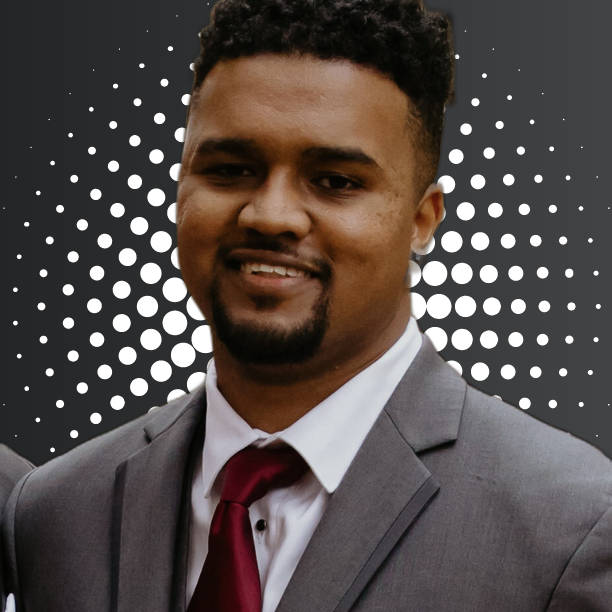
Podcast Host
Navigating the vast amount of bouncing around the political spectrum my entire life I have finally figured something important out. It doesn't matter. I've been religious, been in the military, went to a liberal school and all in all none of the political biases matter. We shouldn't let toxic discourse cloud our judgement and find a solution through logic and conversation. In pursuit of this mission I created this podcast to focus on these important conversations.


